
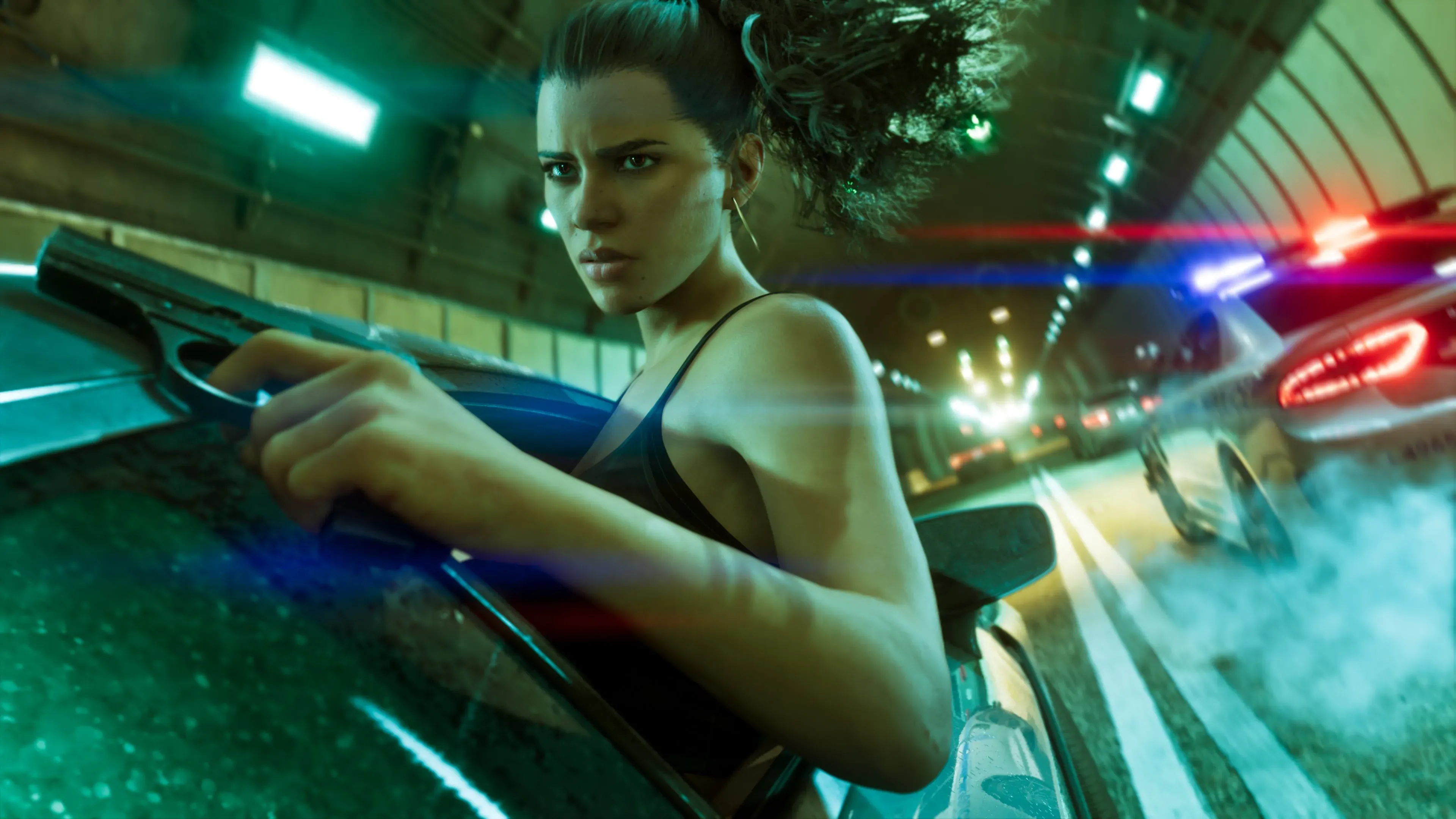

GTA 6's police are designed to remember more than a wanted star. Rockstar North co-studio head Rob Nelson says the team wanted to move beyond the older pattern in which officers could lose a player and immediately forget the encounter. The new goal is a more persistent form of recognition that can make an escape harder—and make planning matter.
Nelson's explanation appears in TGG's police deep dive and is consistent with TROISCOULEURS' separate hands-off preview at Rockstar North. Both accounts describe a law system that can retain identifying information, including what a suspect is wearing or the vehicle connected to a crime. The system gives the player ways to respond, but it is not built around simply waiting for vision cones to disappear.
Quick answer: what changes in GTA 6?
| Element | Reported behavior |
|---|---|
| Police memory | Recognition can persist after officers lose direct sight of the player. |
| Clothing | Police can know what the suspect was wearing. |
| Vehicle | A vehicle seen in connection with the crime can remain an identifying detail. |
| Radar | Police are not always displayed as constant minimap markers during the search. |
| Focus | Nelson and TGG describe Focus as the way to reveal or locate officers during an escape. |
| Difficulty | Nelson says it “can be harder,” because the player has to think more. |

Persistent memory changes the end of a chase
In older GTA games, breaking line of sight and leaving the immediate search area could reset the encounter quickly. Nelson said Rockstar wanted to get past police forgetting a player instantly and give the law “a bit more persistent memory.” That phrase is important: it describes retained information, not omniscience.
TROISCOULEURS provides a practical example from its demonstration. Nelson explained that officers knew what the controlled character was wearing. If they had not seen him enter a car, however, he could potentially pass them while driving it. The law was presented as smarter, but careful movement still created an escape route.
This makes observation reciprocal. The player needs to understand what officers witnessed, not only where they are now. A car can be useful cover if it is unknown to police and a liability if it has already been associated with the suspect. Clothing can remain part of the description even when the character is no longer actively visible.
Why the minimap is less automatic
GamesRadar's account of TGG's deep dive says pursuing officers do not simply stay visible on the radar in the familiar way. Nelson explains that they become visible when the player uses Focus. TGG says that ability can reveal officers through obstacles, giving the player information without leaving it permanently exposed.
That is a design trade: the interface provides a tool, but asks the player to use it deliberately. Nelson's summary was that the system “can be harder, but it's fun” because the player has to think more. It is an attempt to replace passive cone-watching with active search management.
What this means for player choices
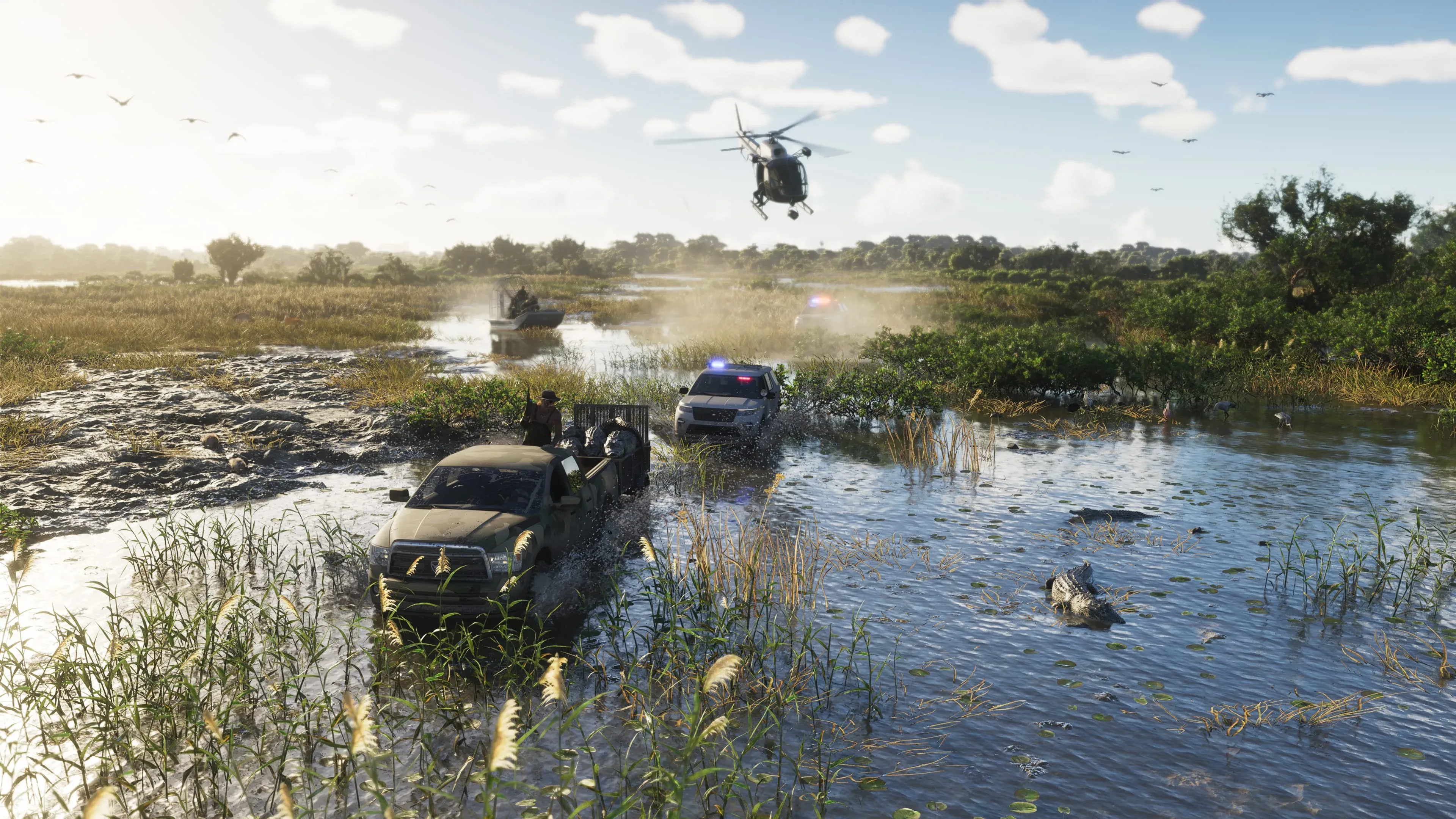
The reported rules reward a cleaner break between a crime and the escape that follows. Losing sight is still useful, but it may be only the first step. Players may need to consider whether their car was observed, whether their clothes remain distinctive and when to use Focus before crossing a search route.
The system also supports GTA VI's central premise. Jason and Lucia are a couple on the run, and a law system that remembers identifying details reinforces that pressure. This does not mean every mission becomes a simulation or that every escape requires the same checklist. Nelson describes options for both careful and more reckless play.
The police changes connect to other reported limits on carrying visible weapons and moving through crowds. Our weapon-carrying and NPC-reaction report covers that separate system. For the wider presentation, see the GTA 6 gameplay guide and our Extended Look crime analysis.
What remains unknown
Rockstar has not published a complete police manual. The interviews do not define every wanted-level threshold, how long each memory lasts, whether all jurisdictions share information, or how the final game balances Focus. Pre-release demonstrations can also change before launch.
It would therefore be inaccurate to promise a particular pursuit length, a universal disguise mechanic or identical behavior in every district. What is confirmed through Nelson's remarks is the direction: recognition persists, identifying details matter, officers are not reduced to permanent radar dots, and escaping is meant to demand more thought.
Related
Explore the GTA6State database.



Sources
- GTA 6: The Police are Smarter Than Ever | Deep Dive (opens in a new tab)
Primary TGG deep dive based on the creator's Rockstar North preview and Rob Nelson's explanations.
- Rockstar boss says GTA 6's police can be harder to shake off than before (opens in a new tab)
Contemporary report preserving Nelson's remarks on persistent memory, radar visibility and Focus.